Same-Day Appointments With an Emergency Dentist Beverly Hills


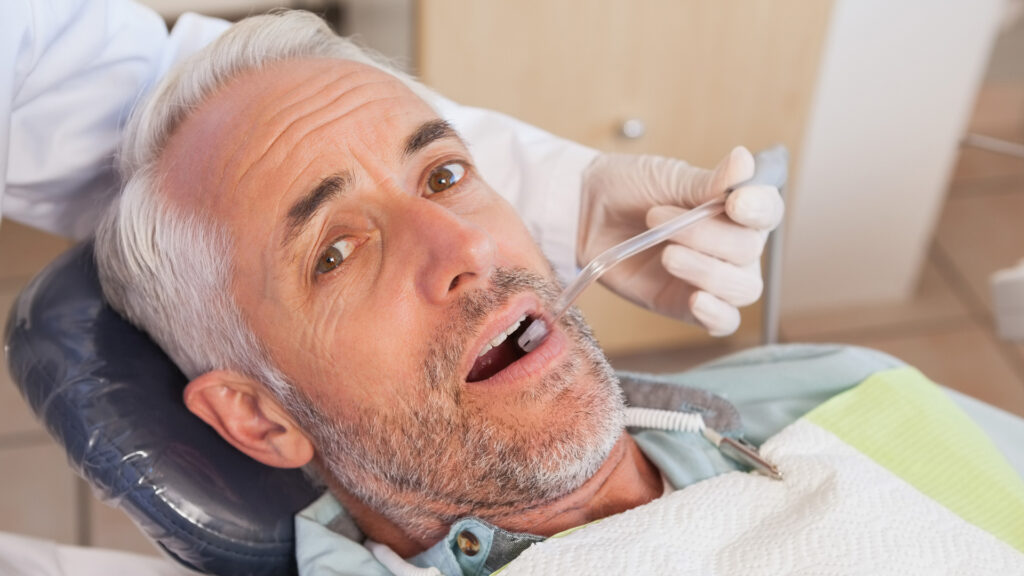
Dental pain has a way of taking over the day. It does not wait for a convenient time, and it rarely stays mild for long. A cracked molar during lunch, a crown that comes loose before a business meeting, a child who wakes up with facial swelling at 6 a.m., these problems shift from annoyance to urgency fast. When that happens, access matters. Same-day care can be the difference between a relatively simple fix and a much more involved problem a week later.
Patients looking for an Emergency Dentist Beverly Hills are often dealing with two pressures at once. The first is physical discomfort, sometimes severe. The second is uncertainty. They want to know whether the issue can be stabilized quickly, whether the tooth can be saved, whether they should go to a dental office or a hospital, and whether the pain will keep escalating through the night. Good emergency dental care addresses all of that. It relieves pain, identifies the real cause, and gives the patient a realistic plan instead of vague reassurance.
What actually counts as a dental emergency
Not every urgent dental problem looks dramatic. Some emergencies are obvious, like a knocked-out tooth or uncontrollable bleeding. Others are easier to underestimate. A toothache that throbs only at night can still point to a deep infection. A chipped front tooth may seem cosmetic until you learn the fracture extends into the dentin or pulp. Swelling along the gumline might start small and become much more serious over a day or two.
In practice, the most common same-day emergency visits tend to fall into a handful of categories. Severe tooth pain is high on the list, especially when it prevents sleep or chewing. Broken teeth are also common, often from hard foods, sports injuries, or old restorations failing at the wrong time. Lost fillings and crowns bring many people in because exposed tooth structure can become sensitive quickly, and because what begins as a manageable issue can turn into a fracture if the patient keeps biting on it. Abscesses and swelling are especially important because they raise concern for infection spread. Then there are soft tissue injuries, jaw pain after trauma, and post-treatment complications such as persistent bleeding after an extraction.
One thing patients often get wrong is waiting for visible swelling before taking a toothache seriously. Some of the most advanced infections begin with pain to hot or cold, then pressure sensitivity, then a hard-to-localize ache that radiates toward the ear or jaw. By the time facial swelling appears, the treatment is often more urgent and the day more complicated.
Why same-day appointments matter more than people think
A same-day appointment is not just about convenience. In dentistry, timing changes outcomes. A tooth that cracks in the morning may still be restorable by afternoon, but if the fracture deepens under chewing pressure for several days, the prognosis can change. A dislodged crown can sometimes be recemented if the underlying tooth is intact and reasonably dry. Leave it exposed too long, and decay, sensitivity, or further breakdown may force a different treatment entirely.
There is also the issue of pain control. Dental pain often escalates in waves. Patients will say, “It was bad yesterday, but now it is unbearable.” That pattern is familiar. Inflammation inside a tooth can build pressure in an enclosed space, and infections can flare unpredictably. The earlier a dentist evaluates the problem, the more options there usually are to calm things down with targeted treatment rather than temporary measures.
For patients in Beverly Hills, same-day care also matters because schedules are often tight and public-facing work is common. People cannot always disappear for a week while they “watch and wait” on a front tooth fracture or obvious swelling. A prompt visit allows the dentist to handle immediate needs and then sequence any follow-up care in a practical way.
What happens during a same-day emergency dental visit
Emergency appointments are more focused than routine exams, but they should not feel rushed. The goal is to answer three questions quickly and accurately: what hurts, why it hurts, and what needs to happen today.
A well-run emergency visit usually begins with a targeted history. The dentist or assistant will ask when the problem started, Emergency Dentist Beverly Hills what triggers the pain, whether it is sharp, dull, spontaneous, or pressure-related, and whether there has been swelling, fever, bad taste, or trauma. Those details matter. A tooth that hurts only when biting suggests a different problem than one that wakes the patient from sleep. A “zinger” to cold may point one way, while lingering pain after heat points another.
From there, the exam is narrow but thorough. The dentist may test the tooth with cold, check the bite, take one or more small X-rays, evaluate the gums, and inspect old dental work. If the issue involves trauma, nearby teeth also need attention because cracks and ligament injuries do not always announce themselves immediately.
Treatment the same day depends on the diagnosis. Sometimes the fix is straightforward, such as smoothing a sharp chip, replacing a temporary restoration, draining a localized gum abscess, or recementing a crown. Other visits are about stabilizing a more complex problem. If a tooth needs root canal therapy, the dentist may begin treatment that day or refer promptly depending on the office setup and severity. If the tooth cannot be saved, extraction may be the best way to stop the pain and prevent worsening infection.
What matters most is honesty about priorities. Same-day emergency care is often phase one. The first goal is to get the patient safe and comfortable. The second is to preserve as many long-term options as possible.
The emergencies that deserve immediate attention
Some dental situations can safely wait a day or two. Others should be treated as urgent the moment they appear. Trouble swallowing, trouble breathing, rapidly increasing swelling, significant facial asymmetry, and fever with dental pain are not “see how it feels tomorrow” problems. Those symptoms can indicate an infection moving beyond the tooth and gums.
Trauma is another category where speed matters. A permanent tooth that gets knocked out has the best chance of being saved if it is handled correctly and seen very quickly. Even then, outcomes vary. The first half hour matters most, but an immediate call to a dental office is still worthwhile even if more time has passed.
When bleeding follows oral surgery or an injury, the amount matters. Oozing can be normal. Steady bleeding that soaks gauze repeatedly despite pressure is not something to ignore. Patients on blood thinners need especially careful guidance.
Jaw injuries after a fall or impact also deserve prompt evaluation. Sometimes the teeth look fine but the bite no longer comes together normally. That can signal more than a bruised jaw.
What you can do before you reach the office
There is a right way and a wrong way to buy time before an emergency appointment. A few practical steps can prevent things from getting worse.
- Rinse gently with warm salt water if the area is irritated or if there is minor swelling.
- Use a cold compress on the outside of the face for swelling or trauma, usually in short intervals.
- If a tooth is knocked out, hold it by the crown, not the root, and keep it moist in milk or saliva if possible.
- Take over-the-counter pain relief only as directed on the label, unless your physician has told you to avoid it.
- Avoid placing aspirin directly on the gum or tooth, which can burn the tissue.
Patients sometimes try do-it-yourself fixes that create new problems. Superglue on a crown, clove oil in excess, random leftover antibiotics, or biting down on the painful side to “test it” all tend to backfire. Temporary dental cement from a pharmacy can be useful in a narrow set of circumstances, but it is a bridge, not a treatment.
How an emergency dentist decides between repair, root canal, or extraction
One of the hardest parts of an emergency visit is hearing that the painful tooth cannot simply be “filled.” People often arrive hoping the problem has a quick patch. Sometimes it does. Sometimes the anatomy and extent of damage say otherwise.
If the tooth structure is mostly intact and the nerve is healthy, a bonded filling or crown may be enough. If the pulp is inflamed or infected but the tooth can be restored predictably, root canal treatment is usually the route that preserves the tooth. If the crack extends below the gumline, if decay has undermined too much structure, or if infection has destroyed support to the point that prognosis is poor, extraction may be the cleaner and safer answer.
Experience matters here. The right decision is not always the most aggressive or the most conservative. A dentist with sound judgment looks at the whole picture: restorability, bite forces, the patient’s medical history, timing, esthetic concerns, financial realities, and how likely the tooth is to serve well after treatment. Keeping a tooth at all costs is not always wise. Removing a tooth too quickly when it could be saved is not wise either.
That kind of decision-making is what people are really looking for when they search for an Emergency Dentist Beverly Hills. Pain relief matters, but clear clinical judgment matters just as much.
Beverly Hills patients often have an added concern, appearance
Emergency dentistry in Beverly Hills often intersects with appearance in a way that is less prominent in some other communities. Front teeth matter professionally and socially. A broken incisor before a speaking engagement, a darkened tooth after trauma, or a loose veneer before a photo shoot can feel like an emergency even if the patient is not in severe pain.
That does not make the concern superficial. It simply changes the treatment priorities. A skilled emergency dentist understands how to balance function and esthetics under time pressure. Temporary bonding, provisional crowns, smoothing enamel edges, and shade-matched composite repairs can make a meaningful difference the same day. The goal is not to overpromise permanent perfection in one visit. The goal is to restore confidence, protect the tooth, and create a solid path for any ideal follow-up work.
There is also a practical side to this. Some cosmetic dentistry patients have older veneers, large bonding restorations, or crowns that are beautiful but not indestructible. When one fails, emergency care needs to protect the underlying tooth while preserving future esthetic options. That usually means being deliberate, not improvisational.
Infections, antibiotics, and a common misunderstanding
Many patients come in expecting antibiotics to solve the problem. Sometimes antibiotics are appropriate. They can be important when there is facial swelling, spreading infection, fever, or certain gum infections. But they do not fix the source of most toothaches by themselves.
If the nerve inside a tooth is dying or infected, the definitive treatment is typically root canal therapy or extraction. Antibiotics may temporarily reduce surrounding infection, but they cannot reliably sterilize the inside of a necrotic tooth. This is why patients sometimes feel better for a few days after medication, then worse again when the underlying issue remains.
That misunderstanding matters because delay has a cost. A manageable localized infection can become more painful, more expensive, and more medically concerning. The best emergency care uses antibiotics thoughtfully, not reflexively.
Cost, insurance, and how to think clearly when you are in pain
Pain makes decision-making harder. Patients want a number quickly, and that is understandable. The challenge is that the fee depends on the diagnosis, imaging, and what can actually be done that day. An emergency exam and X-rays are usually the starting point. From there, charges vary depending on whether the visit involves a simple palliative adjustment, a filling, a pulpotomy, a root canal opening, drainage, crown recementation, or an extraction.
A transparent office will explain this plainly before treatment proceeds. If multiple paths exist, such as stabilizing the tooth today and completing definitive treatment soon after, that should be discussed. The lowest immediate cost is not always the lowest total cost over six months. At the same time, not every painful tooth needs the most elaborate intervention. Patients deserve a straightforward explanation of both the ideal plan and Emergency Dentist Beverly Hills the practical plan.
For people using dental insurance, benefits can help, but emergency coverage is often more limited than patients expect. Cosmetic aspects of a trauma repair may not be covered the same way restorative essentials are covered. Office staff should be able to outline estimates, but they should also be honest that insurance determinations are not the same thing as treatment recommendations.
How to choose the right office when time is tight
When pain is severe, people often call the first office that appears in search results. That is understandable, but a few signs separate a genuinely helpful emergency practice from one that simply markets urgency.
First, the office should ask intelligent triage questions. If the receptionist only offers a slot without asking about swelling, trauma, fever, bleeding, or a knocked-out tooth, that is not ideal. Good triage helps the practice prioritize truly urgent cases.
Second, access to diagnostics matters. Same-day emergency care without X-rays is guesswork in many situations. Third, the dentist should be willing to discuss immediate goals versus long-term treatment. Patients need clarity about whether they are getting a definitive fix or a temporary measure.
These are reasonable questions to ask when you call:
- Do you offer same-day emergency appointments for pain, swelling, broken teeth, or trauma?
- Will the dentist be able to take X-rays and treat the problem the same day if needed?
- If the tooth needs specialist care, can you start treatment or coordinate a prompt referral?
- What should I do before I arrive, especially if there is swelling, bleeding, or a knocked-out tooth?
- Can you explain the emergency exam fee and how treatment costs are handled?
A strong office will answer calmly and specifically. Vague responses usually predict a vague visit.
Children, older adults, and other special cases
Emergency dental care is not one-size-fits-all. Children can be difficult to assess because they may struggle to describe pain accurately. A child pointing to one side may actually have a problem on the other side. Trauma to baby teeth also requires careful judgment because treatment decisions must account for the developing permanent teeth underneath.
Older adults bring different complexities. Root decay, dry mouth from medications, brittle restorations, and multiple crowns or bridges can make emergencies more complicated than they first appear. Medical conditions, blood thinners, and a history of osteoporosis medications may affect what can safely be done that day.
Patients with dental anxiety deserve special mention. Emergency visits can trigger panic, especially if the pain has been building for days. The best dentists do not dismiss that. They slow down just enough to explain what they are seeing, what they are testing, and what the first step will feel like. That communication alone can lower fear significantly.
What recovery usually looks like
Many emergency treatments provide immediate relief, but not every tooth settles down at once. A deeply inflamed tooth can remain sore after treatment, especially to biting pressure, and gum tissue that has been swollen may take a few days to calm down. Patients need realistic expectations. Better is not always pain-free within one hour.
Good post-visit instructions are specific. They address eating, cleaning the area, what level of discomfort is normal, what medications to use if appropriate, and what symptoms should trigger a call back. If a temporary restoration was placed, the patient should know it is temporary. If a root canal was started but not completed, that should be made unmistakably clear.
Follow-up is where many emergency visits succeed or fail. The office that relieves pain but does not help the patient complete definitive care has only done part of the job. Whether the next step is a crown, specialist visit, extraction site check, or implant consultation, continuity matters.
The best emergency care starts before the emergency
Most true dental emergencies are not preventable, but many are predictable. Old large fillings crack. Crowns loosen after years of use. Teeth that have signaled trouble with intermittent sensitivity often choose the least convenient moment to worsen. Athletes who skip mouthguards take unnecessary risks. Patients who clench heavily at night often fracture the exact teeth their dentists have been watching.
That is not a reason for blame. It is a reminder that emergency dentistry works best when it is connected to ongoing care. A dentist who knows your dental history has an advantage when something goes wrong. They know which crown has been borderline, which tooth has a deep filling, which implant restoration has been under stress, and which side you tend to overload.
Still, emergencies happen even to careful patients with excellent home care. When they do, same-day access is invaluable. The right Emergency Dentist Beverly Hills will not only treat the painful tooth or broken restoration, but also make smart decisions under pressure, explain the trade-offs clearly, and leave the patient with a path forward that is both medically sound and practically manageable.
Pain may be the reason people make the call, but relief is only part of what they need. They also need certainty, speed, and judgment. On the right day, from the right office, that combination can save a tooth, prevent an infection from worsening, and restore a normal life by the time the sun goes down.
Dental Group of Beverly Hills
8641 Wilshire Blvd #125, Beverly Hills, CA 90211, United States
Phone: +1 (310) 929-6335
FAQ About Emergency Dentist Beverly Hills
What is considered to be a dental emergency?
Severe tooth pain, a knocked-out permanent tooth, a significant tooth fracture, or suspected dental infection needs prompt professional assessment. Contact a dentist to describe the problem and arrange appropriate care. Trouble breathing or swallowing, uncontrolled bleeding, or major facial injury requires immediate emergency medical attention.
How to tell if tooth pain is serious?
Pain that is severe, persistent, or accompanied by fever, facial swelling, or a bad taste should be assessed promptly by a dentist. The cause cannot be confirmed from symptoms alone. If swelling affects breathing or swallowing, call 911 or go to an emergency department.
What do I do if I have a dental emergency and no dentist?
Call a nearby dental practice that accepts urgent patients and explain your symptoms, when they began, and any recent injury. Ask about the earliest available assessment and what information to bring. For life-threatening symptoms, seek emergency medical care immediately instead of waiting for a dental appointment.